
Access Granted: Not All Spinal Cord Injuries Look the Same – And That Matters
During the next few months, The Ryan Shazier Fund is pulling the curtains back and giving you an unfiltered look at exactly what living with a spinal cord injury (SCI) is like. We call it “Access Granted,” and the series will pull together SCI athletes, their caregivers, and clinicians. We have a strong group ready to share their stories and answer your questions. But first, we’re visiting the premise of an SCI: no two are alike.
If you walked into a gym one afternoon, you might see two men entering side by side. Dan pushes his wheelchair steadily through the front doors. Stan walks in behind him, a bit unsteady on his feet, but upright and even holds the door open for Dan. At first glance, you’d likely think Dan has a spinal cord injury—and you’d be right. But so does Stan.
This moment offers a perfect reminder that spinal cord injuries (SCI) don’t always look the same. They can affect people in drastically different ways—physically, emotionally, and functionally. The type of injury, where it occurs along the spine, and how much damage has been done all play a role in shaping the outcome. Let’s break it down and explore the different types of SCIs and what they mean for those living with them.
Complete vs. Incomplete: Two Very Different Experiences
Spinal cord injuries generally fall into two categories: complete and incomplete.
A complete spinal cord injury means the spinal cord has been totally and permanently damaged at the point of injury. No signals from the brain can pass that point, which means a complete loss of motor function and sensation below the injury. These types of injuries often result in:
Paraplegia – Loss of movement and feeling in the lower half of the body. This is usually caused by injuries to the thoracic (mid-back), lumbar (lower back), or sacral (base of the spine) areas.
Tetraplegia (also called quadriplegia) – Loss of movement and sensation in both the upper and lower parts of the body. These are typically caused by injuries higher up, in the cervical (neck) spine.
An incomplete spinal cord injury, on the other hand, means that the spinal cord has only been partially damaged. Some communication between the brain and body remains. This allows for a wide range of abilities, depending on the extent of the injury. Someone with an incomplete SCI may:
Retain some movement in certain limbs
Have patches of sensation in areas below the injury
Experience better chances of recovery through rehabilitation
This helps explain how two people—like Dan and Stan—can both live with SCI but have such different outward appearances.
The Spine Is Like Real Estate: Location Is Everything
Your spinal cord is divided into four main regions, and injuries in each area affect the body differently. Generally, the higher the injury on the spine, the more serious the impact. Here’s a tour through the spine and what each section controls:
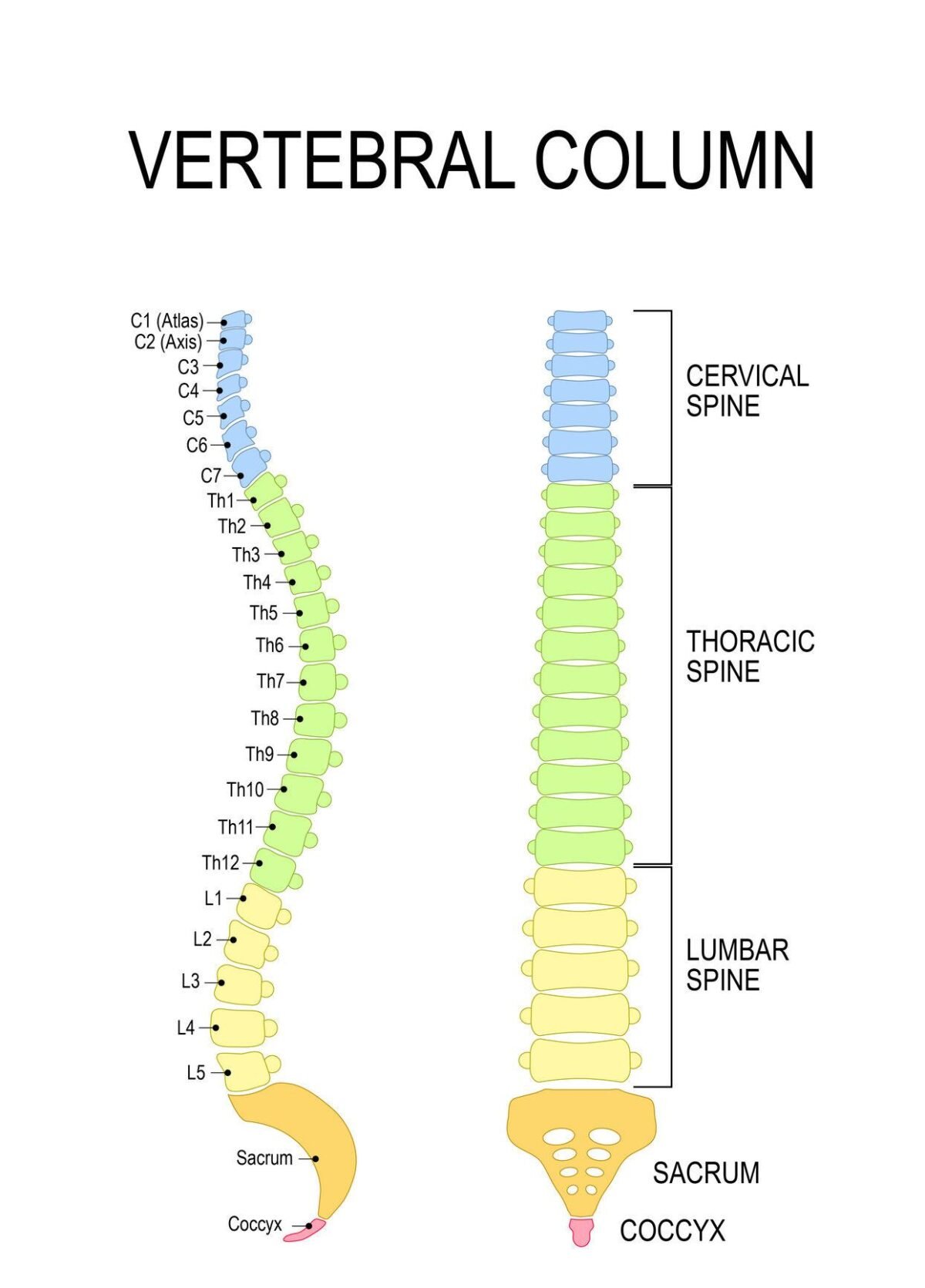
Cervical Spine (C1–C7): The Most Complex
This is the neck region, right at the top. Injuries here tend to be the most serious because they’re so close to the brain and affect a broad range of functions.
What can be affected?
Head, neck, shoulder, arms, and hands
Breathing (especially if the injury is high up)
Bowel and bladder control
Fine motor skills
People with injuries to this region often experience tetraplegia, which can range from needing a ventilator to having limited hand use.
Thoracic Spine (T1–T12): The Upper and Mid-Back
This area connects to your chest and abdominal muscles. While it doesn’t control your arms, it plays a major role in posture and breathing.
What can be affected?
Chest and core muscles
Upper abdominal strength
Balance and trunk control
Leg movement
Injuries here often lead to paraplegia. Someone may retain full arm function but use a wheelchair for mobility due to leg paralysis.
Lumbar Spine (L1–L5): The Lower Back
This part of the spine bears a lot of the body’s weight and is essential for lower body movement.
What can be affected?
• Hips, thighs, knees, and feet
• Walking and standing
• Bowel and bladder function
Injuries to the lumbar spine can cause partial or total loss of leg function, but many individuals can use braces, crutches, or wheelchairs—and sometimes walk short distances.
Sacral Spine (S1–S5): The Bottom of the Spine
Located just above the tailbone, this section controls very specific functions.
What can be affected?
Hips and groin
Buttocks and backs of thighs
Bladder, bowel, and sexual function
These injuries might not impact walking at all but can still cause profound disruptions to daily life and independence.
Living with SCI: One Size Doesn’t Fit All
There’s no such thing as a “typical” spinal cord injury. While the medical definitions are neat and structured, real life isn’t. People experience SCIs differently—not just physically, but emotionally and socially too.
For someone like Dan, paraplegia might mean using a wheelchair, relying on upper-body strength, and navigating accessibility challenges. For Stan, his incomplete SCI might allow him to walk, but with chronic pain, limited sensation, and fatigue. Both face unique obstacles. Both adapt. And both deserve recognition for their resilience.
Recovery and Hope: The Power of Rehab and Adaptation
No matter where the injury occurs, one of the most important factors in recovery is access to support and rehabilitation. For incomplete injuries especially, recovery can be significant—though often slow and unpredictable
Rehab might include:
Physical and occupational therapy
Mobility training
Assistive technology
Pain management
Mental health counseling
With the right support, many people with SCI find ways to live full, active, and purpose-driven lives—even if their definition of “normal” has changed.
Final Thoughts: Look Beyond the Chair
We often assume we understand what disability looks like. But spinal cord injuries challenge those assumptions. Some are visible; others aren’t. Some people regain abilities; others don’t. And still, every person’s journey is valid.
So the next time you see someone like Dan or Stan, remember it’s not about what you can see. It’s about what you don’t. Every SCI is different—and every story matters.